

A Vet's Guide to a Cat-Friendly Summer
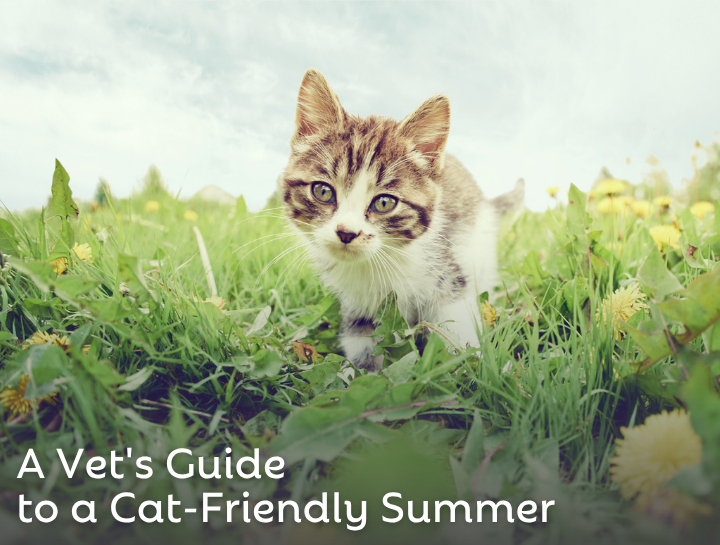
Summer is a wonderful time to enjoy the outdoors, but rising temperatures bring unique risks for our pets. Because cats handle heat differently than humans, proactive care is essential to protect them from dehydration, sunburn, and heatstroke. To help you navigate the sunny months ahead, our veterinary team has compiled the ultimate guide to summer safety tips.
The Importance of Fresh, Clean Water
Hydration is your cat’s primary defense against the heat. However, cats naturally have a low thirst drive and can lose moisture rapidly through grooming and sweating through their paws. To prevent feline dehydration:
-
Multiply water stations: Place multiple water bowls or pet fountains around your home.
-
Keep it fresh: Change the water frequently. Stagnant water can quickly become a breeding ground for harmful bacteria.
-
Consider wet food: Incorporate wet food into your cat’s daily diet to naturally increase their moisture intake.
Never Leave Cats in a Parked Vehicle
One of the most critical summer safety tips for cats is to never leave them inside a parked car. On an 85°F day, the temperature inside a vehicle can rocket to 102°F within just ten minutes, even with the windows cracked. Within 30 minutes, it can reach a deadly 120°F. Leaving a pet in a vehicle puts them at extreme risk for heatstroke. If you have errands to run where your cat cannot join you inside, the safest choice is to leave them at home in the air conditioning.
Window, Patio, and Catio Safety
While cats don't typically go for standard neighborhood walks, they love to catch a summer breeze. However, open windows and balconies present major seasonal hazards.
-
Check your screens: Ensure all window screens are securely fastened and free of rips. Cats can easily push through weak screens if they spot movement outside.
-
Supervise outdoor enclosures: If your cat enjoys a catio or a secure patio space, limit their access to the cooler morning and evening hours. Make sure their outdoor area always features a dedicated patch of deep shade and plenty of fresh water.
Outdoor Toxins and Plant Exposure
Summer can increase your cat’s exposure to lawn chemicals, fertilizers, pesticides, citronella products, and toxic plants or flowers. Cats may come into contact with these substances while exploring patios, yards, or catios, and grooming afterward can increase the risk of ingestion. Check outdoor spaces carefully and keep potentially harmful products and plants out of reach to make your cat’s environment safer.
Grooming Tips: Protect, Don't Shave
A cat's coat acts as a natural insulator, protecting them from both the cold and the summer heat. Regular brushing removes trapped undercoat and dead fur, allowing air to circulate better against their skin. It also reduces the amount of loose hair they ingest while grooming, preventing painful summer hairballs. Unless explicitly recommended by your vet for medical reasons or severe matting, do not shave your cat down to the skin.
Fireworks and Summer Activity Safety
Summer festivities, including backyard barbecues and holiday celebrations, can introduce stressors and toxins to your pet's environment. Fireworks, thunderstorms, and loud gatherings can cause severe anxiety for many cats and dogs. Keep your cats indoors in a quiet, secure room with white noise or soft music playing to mask outdoor chaos.
Surfing may be a popular activity in the summer but it’s important to keep your pet from counter surfing this summer, especially around common barbecue foods. Onions, garlic, chocolate, alcoholic beverages, and bones can be highly toxic or cause severe gastrointestinal blockages.
Parasite Prevention
Warm weather brings an increase in fleas, ticks, and mosquitoes, which can expose cats to irritation, skin infections, and in some regions, heartworm disease. Even indoor cats may be at risk, since parasites can enter the home on people, other pets, or through open doors and windows. Keeping your cat on a veterinarian-recommended parasite prevention plan throughout the summer is one of the simplest ways to protect their health.
Sunburn and UV risk
Cats can get sunburned, especially those with white or light-colored fur, thin hair coats, or exposed areas such as the ears and nose. Repeated sun exposure may also increase the risk of skin damage over time. To help protect your cat, limit access to intense midday sun and provide shaded resting areas, especially if they enjoy lounging in sunny windows or outdoor enclosures.
Knowing the Symptoms of Overheating
Heat exhaustion can rapidly escalate into heatstroke. Because cats are masters at hiding discomfort, recognizing the early warning signs can save your pet's life. If you notice any of the following symptoms, move your cat to an air-conditioned room immediately, apply cool (never freezing) damp towels to their paws, and contact us right away:
-
Panting or open-mouth breathing (highly abnormal for cats)
-
Rapid breathing or racing heart rate
-
Extreme grooming in an effort to cool down
-
Lethargy, stumbling, or collapse
-
Redness of the mouth or tongue
-
Vomiting or diarrhea
We Are Here to Help Keep Your Cats Safe!
Your cat's health and happiness are our top priorities. If you need veterinary advice regarding summer care, want to discuss anxiety management options, or suspect your cat needs immediate medical help this summer, please call at (269) 375-5402. Our team is always here to provide the expert care your feline companions deserve.